Blogs | MDEE Electrical
Insights & Updates

Electrical Insights
& Industry Updates

Stay current with the latest trends, tips, and expert advice from our experienced team.

Topics:
Featured Article
Switchboard Upgrades for Industrial Facilities: Why the Right Electrician Makes All the Difference Featured
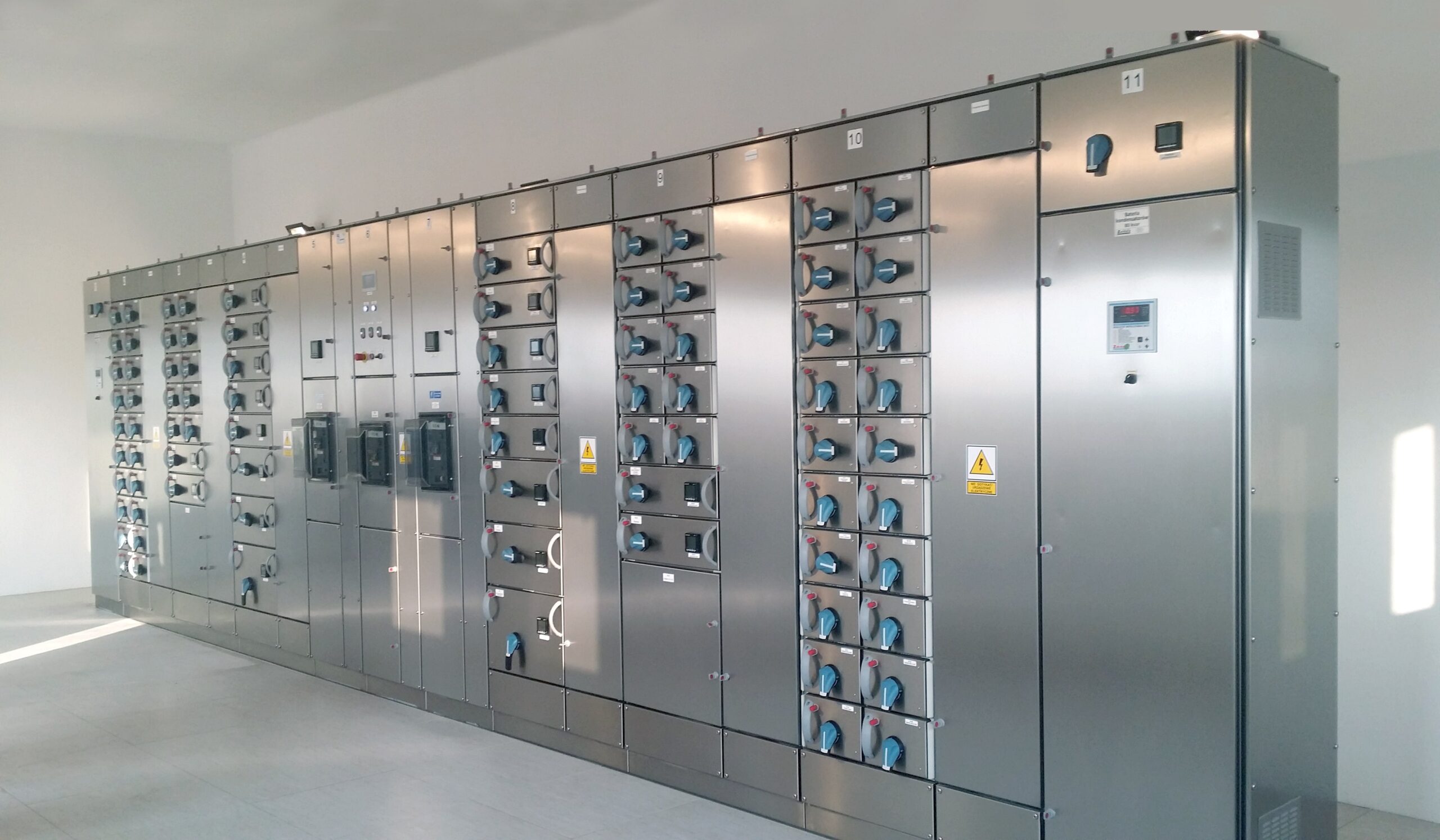
industrial switchboard upgrade

Switchboard Upgrades for Industrial Facilities: Why the Right Electrician Makes All the Difference

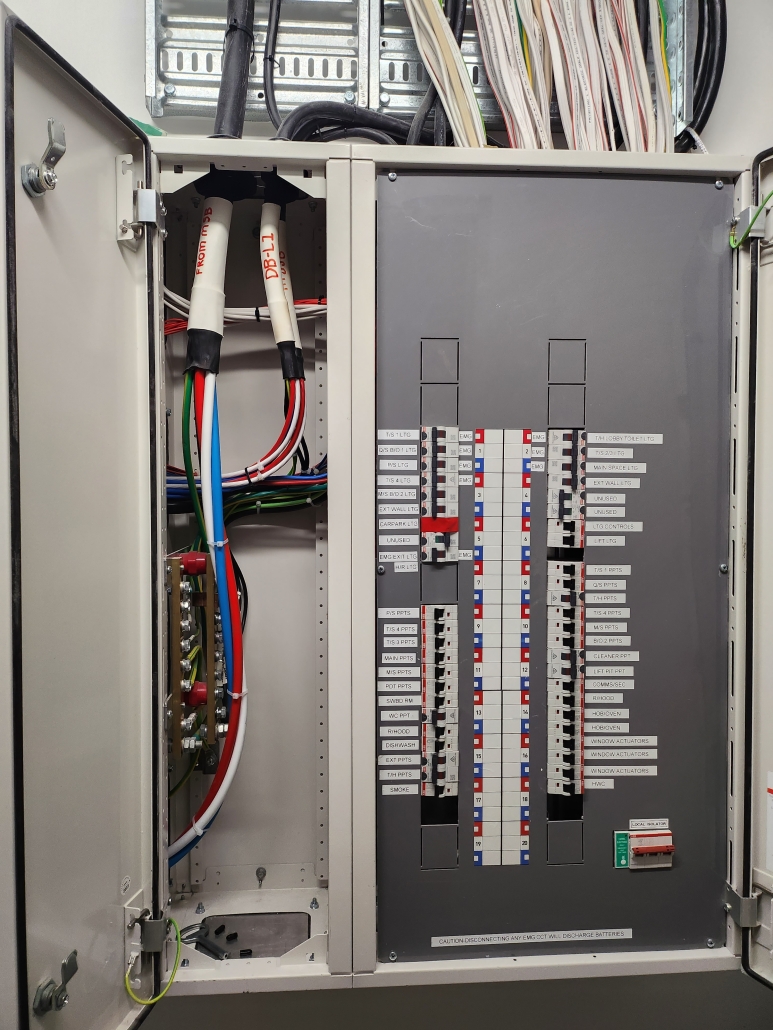
In a factory or industrial facility, the main switchboard — sometimes called the main distribution board (MDB) or motor control centre (MCC) — is not just a box of circuit breakers. It is the primary interface between your entire electrical infrastructure and the mains supply, and it controls the power distribution to every machine, motor, lighting circuit, and ancillary system in your building. When it fails, production stops. When it fails catastrophically, people get hurt. MDEE Electrical carries out industrial switchboard upgrades, repairs, and condition assessments throughout Gauteng. This article explains what an industrial switchboard upgrade involves, when yours needs attention, and why this is one area where engaging an experienced, registered electrical contractor is not optional. What Is in an Industrial Switchboard? A typical industrial main distribution board contains the main incoming isolator (which disconnects the entire facility from the supply), the main earth leakage protection, bus bars that distribute power to outgoing circuits, moulded case circuit breakers (MCCBs) or air circuit breakers (ACBs) protecting each outgoing feeder, surge protection devices, power factor correction capacitors in some installations, metering equipment, and in some cases motor soft starters or variable speed drives. In a motor control centre, you will also find individual motor starters — traditionally direct-on-line (DOL) contactors with overload relays, increasingly replaced by electronic soft starters and variable frequency drives (VFDs) — and the associated control wiring for each drive or starting circuit. Signs Your Industrial Switchboard Needs Attention Age above 15 to 20 years, particularly if the facility’s electrical load has grown since installation. Visible signs of overheating — discoloured bus bars, melted cable insulation, or a persistent burning smell. Nuisance tripping of MCCBs that cannot be attributed to a genuine overload or fault. Inability to obtain replacement parts or circuit breakers for the existing equipment. Physical damage from rodents, water ingress, or mechanical impact. Failing power factor correction equipment resulting in higher electricity tariffs from the utility. Expansion of the facility requiring additional feeder circuits that the existing board cannot accommodate. The Risk of Deferred Maintenance Unlike a residential DB board, where the consequences of failure are inconvenience and potential fire, the consequences of a failed industrial switchboard can include injury or death from arc flash, destruction of expensive equipment throughout the facility, significant production downtime, and regulatory liability. The Occupational Health and Safety Act (OHSA) and its Electrical Installation Regulations require employers to maintain electrical equipment in safe condition. An employer who allows a deteriorated switchboard to remain in service has no defense when something goes wrong. What a Switchboard Upgrade Project Looks Like MDEE Electrical approaches industrial switchboard upgrades as full engineering projects. We begin with a condition assessment and single-line diagram review, identify the scope of upgrade required, design the replacement board with correct protection coordination and fault level ratings, manage the procurement of switchgear and enclosures, and plan the changeover to minimise production downtime — often carrying out critical tie-ins and changeovers over weekends or during planned maintenance shutdowns. We perform full commissioning and testing on the new board before handover, including insulation resistance testing, protection relay function tests, and earth continuity verification. All work is documented and a Certificate of Compliance issued in accordance with SANS 10142-2 (the industrial wiring standard). Industrial electrical work carries real risk. Arc flash from a fault in a switchboard can release more energy in milliseconds than a stick of dynamite. Always engage a registered electrical contractor with demonstrable industrial experience for switchboard work — never accept an undocumented or non-compliant installation. Contact MDEE Electrical on +27 76 440 0883 to discuss your industrial switchboard upgrade or maintenance requirements.

MDEE Author

MDEE Author

Mar 30, 2026

Read Article
All Articles

Latest Posts

Load Shedding Survival Guide: The Best Backup Power Options for South African Homes in 2026
Loadshedding

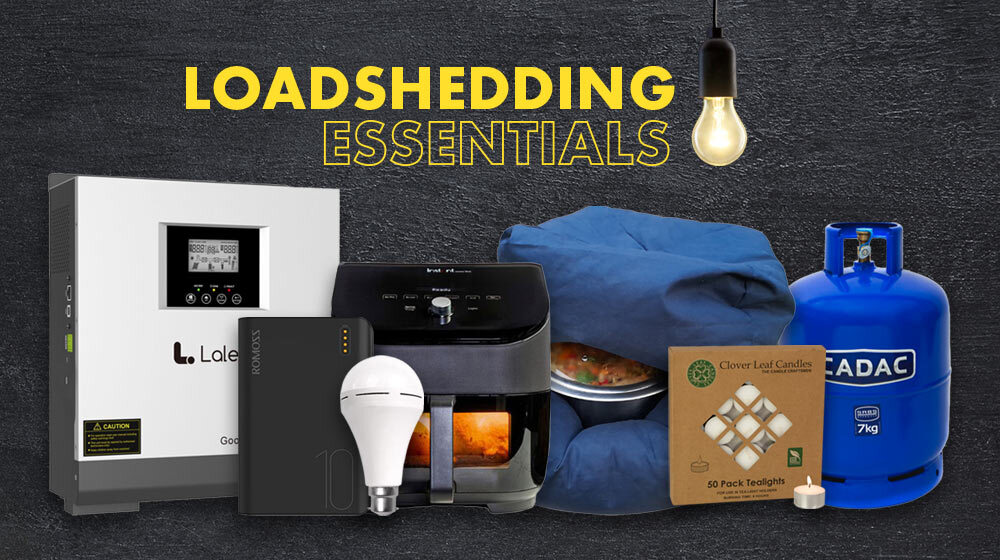
Load Shedding Survival Guide: The Best Backup Power Options for South African Homes in 2026

Load shedding has fundamentally changed how South Africans think about electricity. What began as an occasional inconvenience has become a permanent fixture of life in this country, and the question is no longer whether to invest in backup power but which solution makes the most sense for your specific home, budget, and daily needs. At MDEE Electrical, we have helped hundreds of homeowners across Gauteng design and install backup power systems. We have seen every combination of technology, budget, and requirement imaginable. This guide gives you an honest, practical overview of your options — without the marketing spin. Option 1: The Generator — Tried, Trusted, and Still Relevant A petrol or diesel generator is still the most affordable entry point into backup power. For R5 000 to R20 000 you can get a generator that will run your lights, television, fridge, and a few plug points through any stage of load shedding. The disadvantages are well known: noise, fumes, fuel cost and availability, maintenance requirements, the need to start it manually (or install an automatic transfer switch), and the fact that it contributes nothing to your electricity bill the rest of the time. Generators remain the best solution for rural properties, areas with very long outages, or situations where you need very high power output (such as running a borehole pump or workshop equipment) for which batteries would be impractically expensive. Option 2: The Inverter and Battery System — The Most Popular Choice An inverter/battery system — often called a UPS (uninterruptible power supply) system in the residential context — charges a battery bank from the grid when power is available and automatically supplies power from the battery when it is not. The transition is seamless and silent, typically within 20 milliseconds, so clocks do not reset and alarms do not sound. The most common residential configuration in South Africa uses a 3 kVA to 8 kVA inverter paired with one or more lithium iron phosphate (LiFePO4) battery modules of 5 kWh to 15 kWh capacity. A well-designed system can run essential loads — lights, TV, WiFi router, phone chargers, fridge, and a basic entertainment setup — through a two-hour load shedding stage with capacity to spare. What to Run and What Not to Run The most important rule with any inverter system: do not try to run resistive heating elements from it. Your geyser, oven, kettle, toaster, iron, and space heaters all draw enormous current relative to the actual energy they deliver. Attempting to run even a small 2 000-watt kettle from a battery system will drain a typical residential battery in under 10 minutes. These appliances should always remain on dedicated circuits that the inverter does not supply. Option 3: Grid-Tied Solar Without Batteries A grid-tied solar installation generates electricity from photovoltaic panels during daylight hours and exports any surplus back to the grid (where the municipality allows it) or simply offsets your Eskom consumption. Without batteries, the system automatically shuts down during load shedding as a safety requirement — it cannot continue to generate while the grid is down because this would endanger line workers. However, during the day when both the grid and solar are available, you can dramatically reduce your electricity consumption and bill. For a home that is occupied during the day, a grid-tied system without batteries can offset 50 to 80 percent of daytime electricity consumption, with payback periods of 4 to 7 years at current panel prices and tariff levels. Option 4: Hybrid Solar with Battery Storage — The Complete Solution A hybrid solar system combines solar generation, battery storage, and grid connectivity into a single intelligent system. During the day, solar panels charge the batteries and power the home simultaneously. At night or during load shedding, stored energy powers the home. Any surplus solar generation beyond what the batteries and home can absorb is exported to the grid or simply curtailed. This is the premium solution and the one MDEE Electrical recommends for homeowners who want both energy independence and the lowest possible electricity bills. A properly sized 5 kW to 10 kW hybrid system in Gauteng can typically cover 70 to 90 percent of a household’s annual electricity consumption, eliminate virtually all load shedding inconvenience, and pay itself off in 4 to 8 years depending on installation cost and consumption profile. How MDEE Electrical Designs a Backup Power System We begin every backup power consultation with a review of your last three to six months of electricity bills — this gives us your actual consumption profile. We then discuss which loads are essential during outages, what your budget is, and whether you are interested in solar generation in addition to backup. From this we produce a system design with specific equipment recommendations, sizing calculations, and a cost-benefit analysis that shows your projected payback period at today’s Eskom tariffs and expected tariff escalation. Honest reality check: There is no backup power system that makes financial sense if it is sized to run a geyser, oven, and air conditioner through load shedding. Size your system for essential loads, manage your high-consumption appliances intelligently, and your return on investment will be excellent. Book a free backup power consultation with MDEE Electrical — call +27 76 440 0883 or WhatsApp us today.

MDEE Author

MDEE Author

Mar 14, 2026

Read more →
Commercial Electrical Fit-Outs: What Business Owners Need to Know Before Starting a Renovation
Electrical Safety

Commercial Electrical Fit-Outs: What Business Owners Need to Know Before Starting a Renovation

Opening a new shop, restaurant, salon, or office is one of the most expensive and complex projects a business owner will ever undertake. Between lease negotiations, construction timelines, staff hiring, and stock procurement, the electrical fit-out is often left to the last minute or handed to the cheapest quote without much scrutiny. This is a mistake that costs thousands — sometimes tens of thousands — to fix later. MDEE Electrical has completed commercial electrical fit-outs for retail stores, professional offices, salons, and food service businesses across Gauteng. This guide is written to help business owners understand what they are actually buying when they commission a commercial electrical fit-out, and how to avoid the most expensive mistakes. The Unique Demands of a Commercial Electrical Installation A commercial installation is fundamentally different from a residential one in almost every respect. The load demands are higher, the consequences of a fault or outage are more severe (lost trading hours, stock spoilage, reputational damage), the regulatory requirements are stricter, and the installation must be designed with future flexibility in mind — because commercial tenants change layouts, add equipment, and expand more often than homeowners. Designing for the Right Electrical Load Every commercial electrical fit-out should begin with a load calculation. This is a systematic process of adding up the maximum electrical demand of every piece of equipment that will be used simultaneously — display lighting, air conditioning, refrigeration, kitchen equipment, point-of-sale systems, charging stations, security systems — and sizing the incoming supply, distribution board, wiring, and protection devices accordingly. Underpowering a commercial installation is one of the most common and costly errors we see. A salon that did not account for the simultaneous operation of twelve salon chairs with dryers, ten UV nail lamps, and four washing stations will spend its first year tripping breakers and calling electricians. Getting the load right at design stage costs nothing extra. Correcting it post-installation can run to R30 000 or more. Lighting Systems That Work Hard and Look Good Commercial lighting has two jobs: it must make the space look attractive and it must do so as efficiently as possible. LED technology has transformed commercial lighting economics over the past decade. A properly designed LED lighting scheme for a 200 square metre retail store will typically consume 60 to 70 percent less electricity than equivalent fluorescent or halogen fittings, with lamp lifespans of 25 000 to 50 000 hours meaning far less maintenance. MDEE Electrical designs and installs commercial lighting systems that balance luminous efficacy (lumens per watt), colour rendering index (how accurately colours appear under the light — critical in clothing retail and food service), colour temperature (warm, neutral, or cool white depending on brand and product), and dimmability where a flexible atmosphere is required. Data and Power Infrastructure for Modern Offices Modern office fit-outs require careful coordination between the electrical installation and the structured cabling (data and voice network) installation. Underfloor ducting, cable trays, and conduit routes need to be agreed and installed at the same stage — not after the ceiling has been boarded and the flooring laid. Power outlets, USB charging ports, and data points need to be positioned to serve workstations, meeting rooms, and common areas without unsightly surface-run cables. Security Systems as Part of the Fit-Out MDEE Electrical installs security systems as an integrated element of commercial fit-outs, rather than as an afterthought. CCTV cameras, access control systems, alarm panels, and electric fence energisers all require dedicated circuits, correct cable sizing, and proper earthing to function reliably. Having these systems designed into the electrical plan from the start is significantly less expensive than retrofitting them into a completed building. The Certificate of Compliance Requirement Commercial properties require a Certificate of Compliance for the electrical installation, just like residential properties. However, the inspection and testing regime is more rigorous, and some commercial premises — particularly food service and health-care facilities — require additional sign-offs from the local authority or municipality. MDEE Electrical handles all compliance documentation as a standard part of every commercial fit-out. Our advice to every business owner: Budget your electrical fit-out properly. The electrical installation in a commercial space typically represents 8 to 15 percent of total fit-out cost. Trying to cut this below 6 percent almost always results in a substandard installation that will cost more in maintenance, faults, and eventual corrections than the original saving. Planning a commercial fit-out? Contact MDEE Electrical at +27 76 440 0883 for a free consultation and detailed scope of work.

MDEE Author

MDEE Author

Mar 13, 2026

Read more →
The Complete South African Homeowner’s Guide to Geyser Installation and Energy Savings
Guide to Geyser Installation

The Complete South African Homeowner’s Guide to Geyser Installation and Energy Savings

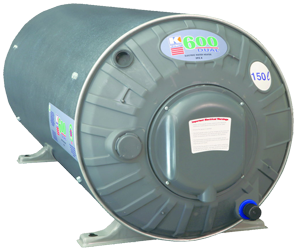
Your geyser is responsible for roughly 35 to 50 percent of your home’s total electricity consumption. In a country where Eskom tariffs have increased by an average of 12 to 15 percent per year over the past decade, that is a very large number to get right. Yet most South African homeowners have almost no relationship with their geyser: it lives in the ceiling, it (usually) delivers hot water, and they only think about it when it leaks, bursts, or stops working. This guide covers everything you need to know about geysers in South Africa: the different types available, the legal requirements around installation, how to cut your geyser-related electricity bill significantly, and what a correct, compliant installation actually looks like. Types of Geysers Available in South Africa Standard Electric Storage Geysers The most common type in South African homes. A tank of water (typically 100 to 200 litres) is heated by an electrical element and maintained at temperature by a thermostat, usually set to 60 degrees Celsius. They are inexpensive to purchase and install, but expensive to run because they reheat water around the clock to maintain temperature. Heat Pump Water Heaters A heat pump works like a reverse air conditioner: it extracts heat energy from the surrounding air and transfers it into the water in a storage tank. For every 1 kWh of electricity consumed, a good heat pump can deliver 3 to 4 kWh of heating energy. This means running costs of 60 to 75 percent less than a standard element. They are more expensive upfront (R12 000 to R25 000 installed) but deliver outstanding payback periods, often under three years at current electricity prices. Solar Water Heaters A solar collector on your roof heats a glycol fluid that circulates to a storage tank. On sunny days (which South Africa has in abundance) you effectively get free hot water. A backup electric element handles cloudy days and high-demand periods. Like heat pumps, the capital cost is higher but the long-term savings are excellent. Instantaneous (Tankless) Water Heaters These units heat water on demand rather than storing it. They are compact, never run out of hot water, and have zero standby losses. However, they draw very high instantaneous power (typically 18 to 24 kW for a whole-house unit) which requires a correctly sized incoming supply and dedicated circuit wiring. What the Law Says About Geyser Installation in South Africa SANS 10254 is the South African standard that governs the installation of hot water systems. It requires that all geyser installations include a correctly rated pressure-control valve, a vacuum-breaker valve (to prevent back-siphoning), a drip tray with drain pipe installed below the unit, a safety thermostat cut-out, a temperature and pressure (T&P) relief valve piped to a safe discharge point, and a geyser blanket (or insulated enclosure) to reduce standby heat loss. The installation must be carried out by a registered plumber (for the plumbing connections) and a registered electrician (for the electrical supply). On completion, a Certificate of Compliance must be issued. If you sell your home, a new CoC will be required for the electrical installation — and a geyser installed without compliance will flag immediately during a pre-sale inspection. Why the Thermostat Temperature Setting Matters Most geysers in South Africa are set to 70 or even 75 degrees Celsius by the installer. This is unnecessarily high, costs more to maintain, and increases wear on the element and thermostat. The ideal setting is 60 degrees — hot enough to inhibit the growth of Legionella bacteria while dramatically reducing energy consumption. Dropping from 70 to 60 degrees can save between R150 and R400 per month depending on your geyser size and usage patterns. Smart Geyser Timers: Simple Savings A geyser timer is one of the most cost-effective electrical upgrades available to South African homeowners. By programming your geyser to heat only during off-peak hours (typically overnight from midnight to 6 am, when Eskom tariffs on time-of-use rates are significantly lower) and to switch off during peak periods, you can reduce your geyser running costs by 20 to 40 percent with a device that costs less than R1 500 installed. For even better results, a smart geyser controller — which monitors actual tank temperature and learns your household’s usage patterns — can optimise heating cycles to minimise wasted energy further. One of our clients in Sandton had a 200-litre geyser set to 72 degrees running 24 hours a day. After we installed a heat pump and a timer, their monthly electricity bill dropped by over R1 400. The heat pump paid for itself in under 28 months. What Happens When a Geyser Bursts? A burst geyser is one of the most expensive household emergencies in South Africa. The tank fails, typically at the anode point or at a corroded weld, releasing 100 to 200 litres of near-boiling water into your ceiling. The damage from water, steam, and subsequent mould can easily run to R50 000 or more. Most standard home insurance policies cover burst geysers, but they will ask whether the installation was compliant and whether regular maintenance was carried out. Preventive action is far cheaper: have your geyser inspected every two years, replace the sacrificial anode every four to five years, and ensure the pressure control valve is working correctly. MDEE Electrical can include a geyser condition check as part of a broader electrical maintenance visit. Ready to cut your electricity bill or install a new geyser? Call MDEE Electrical on +27 76 440 0883 for a free assessment and quote.

MDEE Author

MDEE Author

Mar 09, 2026

Read more →
Gate Motors: Everything You Need to Know Before You Buy, Install, or Repair One
Gate motors

Gate Motors: Everything You Need to Know Before You Buy, Install, or Repair One

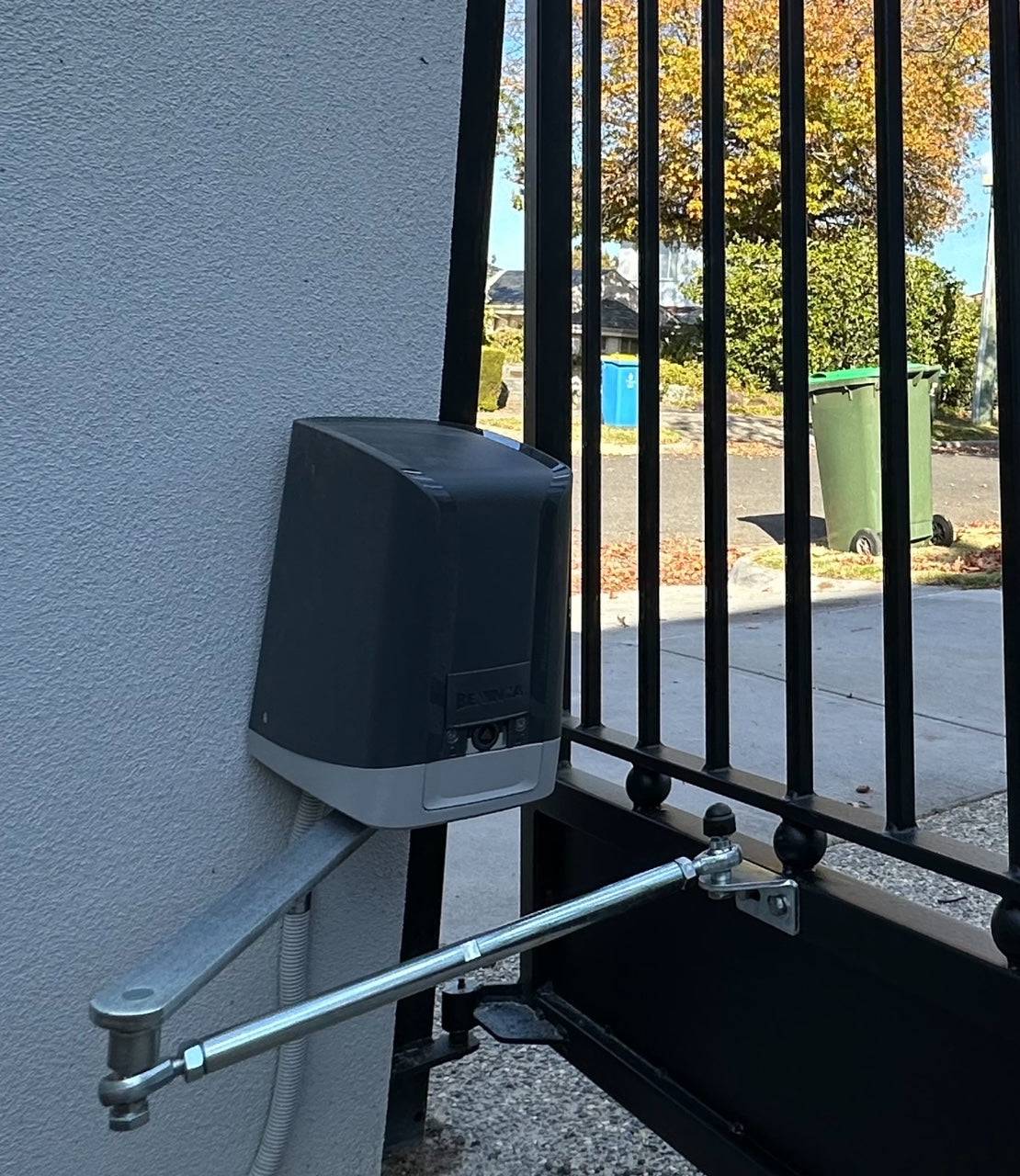
A gate motor is one of those home features that you barely notice when it works and absolutely cannot ignore when it stops. Whether it is refusing to open at 7 am when you are late for work, grinding loudly every time it moves, or simply sitting dead after a power surge, a faulty gate motor causes daily frustration and — more importantly — compromises the security of your property. At MDEE Electrical, gate motor installation, repair, and maintenance is one of our most in-demand residential services. In this comprehensive guide we walk you through everything: the different types of motors available in South Africa, what affects their lifespan, common faults we see in the field, and how to choose the right motor for your gate and property. Types of Gate Motors Available in South Africa Slide Gate Motors Slide (or sliding) gate motors are the most common type in South African residential properties. The gate rolls horizontally on a track along the driveway, driven by a rack and pinion gear system. They are suited to properties with limited space in front of the gate, and they handle large, heavy gates better than swing motors. Popular brands include Centurion, CENTSYS, ET Systems, and BFT. Swing Gate Motors Swing motors operate a single or double gate that opens inward or outward like a door. They require clear space in the swing arc and are generally suited to lighter, shorter gates. They tend to be quieter than slide motors and give a more premium appearance, making them popular on estates and security complexes. Overhead (Garage) Door Motors While technically a different product category, garage door motors are closely related and MDEE Electrical installs and repairs these as well. They drive a sectional or single-panel door upward on a track and are almost always paired with a remote and safety obstruction sensors. What Determines How Long Your Gate Motor Lasts? The single biggest factor. A residential motor rated for 200 cycles per day will wear out in months if it is installed at a busy business entrance doing 800 cycles per day. Cycle count South Africa’s grid voltage fluctuates, and load shedding introduces power-on surges when supply returns. Without proper surge protection and a battery backup system, motor electronics fail prematurely. Power quality A motor on a poorly maintained track — one with debris in the channel, a bent rack, or uneven ground — works harder than necessary and wears out faster. Track and rack condition An incorrectly set limit switch, a motor mounted on an unstable pillar, or a rack that is not properly aligned with the pinion will all shorten motor life significantly. Installation quality Most manufacturers recommend lubricating the rack and checking the battery every six months. In our experience fewer than 10% of residential homeowners do this. Maintenance frequency The Most Common Gate Motor Faults We See Battery Failure Most slide and swing gate motors contain a sealed lead-acid battery that allows the gate to operate during power cuts. These batteries have a typical lifespan of two to three years. When the battery fails, the gate may still operate on mains power but will not work during load shedding — which is exactly when you need it most. Symptoms include a gate that opens slowly, stops partway, or makes a clicking sound from the motor unit. Damaged Rack or Limit Switch If your gate reverses unexpectedly before it fully opens or closes, the limit switch — a small sensor that tells the motor when the gate has reached the end of its travel — may be damaged, misaligned, or contaminated with debris. Alternatively, the gear rack may have a bent or missing tooth that causes the motor to lose traction. Blown Control Board A power surge (often from load shedding restoration) can destroy the motor’s control board — the electronic brain that interprets remote signals, manages limits, and controls motor direction. Control board replacement is possible on most popular brands but can cost R800 to R3 000 depending on the model. In some older motors, finding a replacement board is no longer possible and full replacement becomes necessary. Motor and Gearbox Wear After several years of operation, the brushes, gears, and bearings inside the motor mechanism wear down. You will typically notice this as increased operating noise, slower movement, or occasional stalling. Gearbox oil contamination from a failed seal is another common finding in older units. What to Expect from a Professional Gate Motor Installation A proper MDEE Electrical gate motor installation begins with an assessment of your gate’s weight, width, and the terrain of your driveway. We calculate the correct motor rating for your cycle count, ensure the mounting pillar is structurally sound, set and test limit switches in both directions, install a safety obstacle sensor if required, fit and test the battery backup, commission all remotes, and connect backup power where requested. Every installation complies with SANS 10142-1 and relevant South African Consumer Protection Act requirements. Tip from our team: Always ask your installer what duty cycle the motor is rated for and compare it honestly to how many times your gate opens and closes per day. Undersizing a motor for its application is the number-one cause of premature failure we see. Need a gate motor installed, repaired, or serviced? Call MDEE Electrical on +27 76 440 0883  we carry stock of the most common South African brands and can usually attend within 48 hours.

MDEE Author

MDEE Author

Mar 08, 2026

Read more →
Is Your Distribution Board a Hidden Fire Hazard? Here’s What Every South African Homeowner Must Know
Electrical Safety

Is Your Distribution Board a Hidden Fire Hazard? Here’s What Every South African Homeowner Must Know

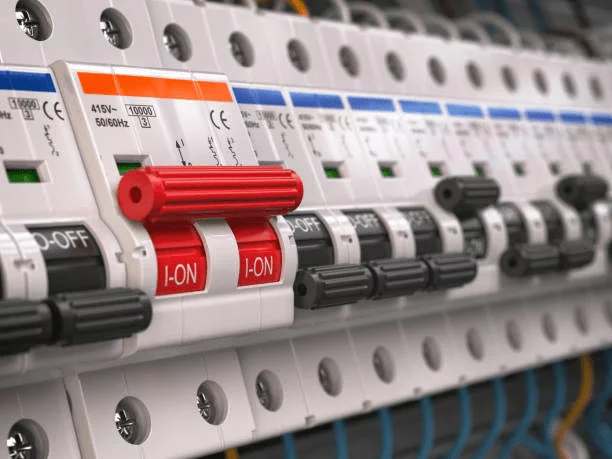
Most South African homeowners open their distribution board (DB) exactly once: when a circuit trips and the lights go out. For a few seconds the door swings open, someone flips the breaker, and the board is forgotten again — sometimes for years. But that little grey box on your wall is silently managing every amp of electricity that flows through your home, 24 hours a day, 365 days a year. When it fails to do its job, the consequences range from a tripped breaker all the way to a house fire. At MDEE Electrical & Renovations, our teams have inspected hundreds of homes across Gauteng, and we see the same dangerous patterns repeated over and over. This guide is written to help you understand what your DB actually does, the warning signs that yours is failing, and exactly what a professional upgrade involves. What Does a DB Actually Do? Your DB receives the main electricity supply entering your property and splits it into separate circuits — one for lights, one for plug points, one for the geyser, one for the garage, and so on. Each circuit is protected by a miniature circuit breaker (MCB) or, in older homes, a fuse. If a fault occurs — a short circuit, an overload, or an earth leakage — that protection device is supposed to cut power to that circuit before the wiring can overheat. A modern DB also contains a residual current device (RCD), sometimes called an earth leakage relay. This device detects when electricity is escaping to earth — for example, through a person who has received a shock — and trips the entire board within 30 milliseconds. This is the device that saves lives. Why Older Boards Are Genuinely Dangerous Problem 1: Rewireable Fuses Instead of MCBs In homes built before the 1990s, you will often find fuses rather than breakers. When a fuse blows, someone has to replace it — and here is where the danger begins. A 15-amp fuse replaced with a 20-amp or 30-amp fuse (because the 15-amp keeps blowing) means the wiring in your walls is now completely unprotected. It can carry dangerously high current, heat up, char the insulation, and eventually ignite the timber framing in your walls, often starting a fire inside the cavity where nobody can see or smell it until it is too late. Problem 2: No Earth Leakage Protection SANS 10142-1 — the South African standard for electrical installations — requires earth leakage protection in all domestic installations. Older homes frequently have none. Without an RCD, an appliance that develops a fault to its casing can deliver a lethal shock the moment someone touches it, and nothing will trip until the fault is severe enough to blow a fuse. Problem 3: Undersized Boards for Modern Loads Homes built in the 1970s and 1980s were designed for a fraction of today’s electrical load. Back then a typical home had lights, a stove, a fridge, and a TV. Today the same home might have an inverter, multiple air conditioners, underfloor heating, a fast-charge EV port, a heat pump water heater, two or three large televisions, a full home office, and multiple gaming consoles — all running simultaneously. An old 8-way board simply cannot accommodate all of this safely. Problem 4: Load Shedding Damage Every time the power cuts and returns, there is a voltage transient on the supply. Over years of load shedding these spikes degrade the internal components of older boards, weaken surge protection devices (if they even exist), and stress cable insulation. Boards that were marginal before load shedding became routine are now operating in genuinely compromised condition. Our experience: In a recent inspection in Midrand, we found a 1986-vintage board with a 60-amp main fuse that had been rewired at some point with a piece of stiff copper wire. It had been carrying the full load of a modern four-bedroom home — including an inverter — for at least five years. The fuse wire was discoloured brown from sustained heat. Six Warning Signs Your DB Needs Attention Right Now • Breakers that trip repeatedly on the same circuit without an obvious overload. • A burning smell near the board, even faint or intermittent. • A DB that feels warm to the touch on the outside. • Visible discoloration, scorch marks, or melted plastic inside the board. • Lights that flicker across the entire house rather than on one circuit. • A board that still uses wire fuses instead of circuit breakers. What a Professional DB Upgrade Includes When MDEE Electrical upgrades a distribution board, we do not simply swap the box. We conduct a full inspection of the incoming supply, check cable sizing to every circuit, test earth continuity, verify that the neutral and earth bars are correctly separated, fit a correctly rated main isolator, install dual RCD protection where required, and label every circuit clearly. The job ends with a Certificate of Compliance (CoC) — a legal document that confirms the installation meets SANS 10142-1 and that your insurer will require in the event of a claim.   Call MDEE Electrical today on +27 76 440 0883 for a free DB inspection. We serve Gauteng and surrounding areas.

MDEE Author

MDEE Author

Mar 05, 2026

Read more →
Overloaded Power Strips: The Hidden Danger Lurking in Your Home & Office
Electrical Safety

Overloaded Power Strips: The Hidden Danger Lurking in Your Home & Office

We’ve all done it — you run out of plug points, grab another power strip, plug it into the first one, and suddenly your TV, decoder, laptop charger, phone chargers, and a heater are all happily running off one lonely wall socket. It’s convenient… until it isn’t. In South Africa, overloaded and daisy-chained power strips are one of the TOP causes of electrical fires in homes and small businesses. According to the FPASA (Fire Protection Association of Southern Africa), thousands of fires every year are linked to overloaded circuits and cheap multi-plugs. Let’s break down exactly why this innocent-looking setup is a ticking time bomb — and what you should do instead. Why Daisy-Chaining Power Strips is Extremely Dangerous Massive Fire Risk Every power strip or extension cord has a maximum amperage rating (usually 10–16 A in South Africa). When you plug one power strip into another, you’re forcing a single wall socket to carry the load of 10, 15 or even 20 devices. The cables overheat, insulation melts, and sparks fly — literally. Exceeds Safe Circuit Limits Most household circuits in South Africa are rated for 15–20 A total. Plugging high-draw appliances (heaters, kettles, air fryers, microwaves) into daisy-chained strips can easily push you past 30–40 A on a single circuit. Your circuit breaker might not trip in time, and the wires inside your walls start cooking. Damages Expensive Electronics Cheap power strips rarely have proper surge protection or joule ratings. Voltage spikes and brown-outs (common during load-shedding) can fry your laptop, gaming console, or smart TV in seconds. Can Void Your Insurance Many South African insurers now specifically exclude claims caused by “improper use of extension leads” or daisy-chaining. If an assessor finds a melted multi-plug that started the fire, your claim could be rejected. Real-Life Examples We’ve Seen in Gauteng A Midrand family lost their lounge to a fire started by a R79 power strip from a discount store — three strips were chained together to run a TV, soundbar, PlayStation, and two space heaters. A small Sandton office had R180 000 worth of computer equipment destroyed because someone chained power strips under a desk to save the cost of one extra wall socket. Both could have been prevented with a R1 500–R3 000 professional installation of additional plug points. Safe & Smart Alternatives (That Won’t Burn Your House Down) Invest in Quality Surge-Protected Power Strips Look for brands with at least 1000–2000 joules of protection and individual on/off switches. Never exceed the printed wattage/amperage rating. Install Additional Wall Outlets The safest and cleanest solution. MDEE Electrical can add double or quadruple plug points in under an hour in most cases — fully SANS 10142-1 compliant and issued with a Certificate of Compliance (CoC). Spread the Load Across Different Circuits Kettles, heaters, and microwaves belong on their own dedicated kitchen or utility circuits — never share with entertainment systems. Use Heavy-Duty Extension Cords Only Temporarily If you absolutely must use an extension, choose a single, thick 16 A cord (not those thin orange ones) and unplug it when not in use. Schedule a Professional Electrical Safety Audit We’ll check your DB board, test circuits for overloading, and identify any hidden risks — especially important in older homes built before the 1990s. Quick Checklist: Is Your Setup Safe Right Now? Are any power strips plugged into other power strips? → Red flag Do you have more than 5 devices on one multi-plug? → Red flag Are high-power appliances (heater, kettle) on an extension? → Red flag Have you ever felt a multi-plug getting warm or hot? → Immediate danger If you answered YES to any of the above, it’s time to act — before it’s too late. Let MDEE Electrical Help You Stay Safe Your family’s safety (and your insurance cover) is worth far more than the cost of a few extra sockets. Contact us today for: Additional plug point installations Full electrical safety audits & CoC Surge protection for the whole house Upgrading old wiring that can’t handle modern loads Call / WhatsApp: +27 76 440 0883 Get a free quote: https://mdeeelectrical.co.za Don’t become another fire statistic. Power smart — stay safe!

MDEE Author

MDEE Author

Nov 24, 2025

Read more →
Empowering Soweto with Solar Energy: Lebo’s 5 kW Solar Installation Success Story
Residential

Empowering Soweto with Solar Energy: Lebo’s 5 kW Solar Installation Success Story

In a time when South Africa faces constant load-shedding and rising electricity costs, more homeowners are looking for reliable and sustainable energy alternatives. At MDEE Electrical, we believe that every home deserves power that’s clean, dependable, and affordable. This belief came to life beautifully on 9 November 2025, when our team successfully installed a 5 kW solar energy system for Lebo, a homeowner in Soweto, Naledi. What makes this project special is not just the technology — but the story behind it: a vision of independence, sustainability, and smart living. Power Without Limits When Lebo reached out to us, his goal was simple — to stop worrying about power cuts and high bills. Like many South Africans, he wanted a solution that would keep his home running smoothly even during load-shedding. After our initial consultation and energy assessment, we recommended a 5-kilowatt solar system — the ideal setup for a modern household using everyday appliances such as lights, a fridge, TV, and other electronics. This system would deliver continuous, clean energy throughout the day and store excess power in a battery backup system for nighttime use. “I wanted a solution that works all the time — and MDEE Electrical made that possible. I’m so proud to finally run my home on solar,” — Lebo, Soweto. Fast, Smooth, and Professional Our team began early in the morning with a quick site inspection to confirm roof condition and optimal sun exposure. By mid-morning, the mounting structures were in place, followed by the solar panels and inverter installation. Each connection was carefully tested for safety, efficiency, and durability. The battery storage system was also configured to ensure energy reliability — even during night hours or cloudy days. By evening, Lebo’s home was fully solar-powered, and hewas already watching his energy dashboard come to life. The entire project, from start to finish, was completed within a single day — a reflection of our team’s commitment, experience, and preparation. Powering a Brighter Future The completed system now provides: ✅ Reliable electricity even during load-shedding ✅ Up to 70% reduction in monthly electricity costs ✅ Zero noise pollution — unlike generators ✅ Clean, renewable energy that reduces carbon footprint Lebo’s home is now a model of what’s possible when technology meets sustainability. He is no longer worries about power interruptions — and his energy costs have dropped dramatically. Why This Project Matters For us at MDEE Electrical, this installation represents more than just another completed job — it’s part of a growing movement toward energy freedom in local communities. Each solar system we install brings South Africa one step closer to a sustainable future — where every home can generate its own power and depend less on the grid. By choosing solar, Lebo has joined a community of forward-thinking homeowners who understand that renewable energy isn’t just about saving money — it’s about shaping a better tomorrow. Feature Details System Capacity 5 kW Residential Solar Power Client Lebo Location Soweto, Naledi – Johannesburg Completion Date 9 November 2025 Installation Duration One Day System Type Hybrid with Battery Backup Energy Savings Up to 70% Monthly Looking Ahead Lebo’s successful installation adds to our growing list of satisfied clients across South Africa who are taking control of their power needs. As we continue to empower homes and businesses with renewable energy, we remain committed to delivering affordable, efficient, and future-ready solar solutions. If you’ve been thinking about switching to solar — now is the time. With the right system, you can enjoy reliable electricity, lower bills, and contribute to a greener planet — just like Lebo did. Ready to Go Solar? Make the smart move toward energy freedom today. Contact MDEE Electrical for a free on-site assessment and personalized solar quotation: Phone: +27 76 440 0883 Together, we’ll light up your home — one panel at a time.

MDEE

MDEE

Nov 12, 2025

Read more →
Why Your Home Wiring Deserves More Than a Quick Fix
Just a Quick Fix

Why Your Home Wiring Deserves More Than a Quick Fix

Introduction In a world where many electrical issues seem “small” or “just temporary,” the truth is: your house wiring plays a critical role in your home’s safety, comfort, and value. At MDEE Electrical, we believe in doing it right the first time — because a solid electrical foundation means fewer surprises, lower risk, and long-term peace of mind. The Hidden Risks of “Just a Quick Fix” When you hire someone just for a “quick fix” — a flickering light, a breaker that trips, or a gate motor that acts up — you may not realize what’s beneath the surface: Outdated wiring or improper upgrades can lead to overloads, fire hazards, or damage to appliances. Cheap shortcuts such as undersized cables or wrong terminations may show no immediate issue but cause problems down the line. Non-compliance with current electrical standards means your property value and insurance coverage may be compromised. What “Doing It Right” Means at MDEE Electrical At our company, “doing it right” encompasses: Thorough inspection and diagnosis before any repair or upgrade. Installing correct cable sizing, proper earthing, organized wiring runs. Ensuring gate motors, wiring to new extensions or renovations, and other services meet both local regulations and customer expectations. Offering solutions that are future-ready (e.g., upgrading panels, leaving space for solar, smart home wiring) so your home can grow without major rewiring later. Top 3 Home Wiring Upgrades You Should Consider Now Modern circuit-breaker distribution boards – Older fuse boxes or outdated panels pose risk and limit capacity. Earthing and surge protection – South Africa’s power grid and load-shedding events make proper earthing and surge protection essential to protect your electronics and family. Gate motor & exterior wiring upgrades – Often overlooked, outdoor wiring and gate motors are exposed to weather and wear. We ensure safe, sealed connections and correct wiring to avoid faults and maintenance headaches. Why Choose Us? We’re certified, experienced and focused on residential, commercial & industrial jobs — meaning you benefit from broad expertise. We provide transparent quotes, explain what’s needed, and avoid surprise add-ons. We prioritise safety and quality — not just getting the job done, but getting it done properly so you don’t come back for the same issue a month later. We’re local — based in Gauteng and familiar with local regulations, wiring standards, and property types. If you keep ignoring those little electrical quirks — flickering lights, breaker trips, gate motors that “click then stop” — you’re gambling with safety and cost. Let’s stop the gamble and start the peace of mind. Contact us today at +27 76 440 0883 or visit mdeeelectrical.co.za for a free quote. Let MDEE Electrical power your home the right way.

MDEE

MDEE

Nov 11, 2025

Read more →
Why Quality House Wiring is Non-Negotiable in South Africa’s Energy Crisis
Residential

Why Quality House Wiring is Non-Negotiable in South Africa’s Energy Crisis

In a country where load shedding has become part of daily vocabulary and electricity tariffs continue their relentless climb, South African homeowners are facing unprecedented challenges in keeping their homes powered safely and affordably. At our company, working alongside trusted partners like Tsalach Construction, we’ve been at the forefront of delivering electrical solutions that don’t just meet today’s demands—they anticipate tomorrow’s challenges. Our recent projects stands as a testament to what modern house wiring should be: safe, efficient, and ready for whatever Eskom throws our way. The New Reality of South African Home Electrification Let’s be honest—the South African electrical landscape has changed dramatically over the past decade. Gone are the days when we could rely on consistent, affordable grid power. Today’s homeowners need electrical systems that can handle not just everyday appliances, but also inverters, battery banks, solar panels, and the constant switching between grid power and backup systems that has become our reality. During our works, we don’t just install wiring—we creates an electrical infrastructure designed for South Africa’s unique challenges. Every circuit is planned with load shedding in mind. Every connection is made to withstand the voltage fluctuations that plague our grid. Every safety device is chosen to protect families in a country where electrical fires claim lives every year. The truth is, proper house wiring has never been more critical. With Eskom’s tariff increases averaging 12-15% annually over the past few years, and load shedding affecting productivity and quality of life, your home’s electrical system needs to work harder and smarter than ever before. Building for Load Shedding Resilience One of the biggest shifts in residential electrical design is accommodating backup power systems. Whether it’s a simple inverter with a few batteries or a comprehensive solar setup, South African homes increasingly need to switch seamlessly between grid and backup power. We implemente what we call “load shedding-ready” wiring. This means dedicated circuits for essential loads—your fridge, a few lights, WiFi router, and security system—that can easily connect to backup power without rewiring your entire home. We install changeover switches and proper earthing systems that work with both grid and inverter power. Essential vs. Non-Essential Circuits: We design homes with clear separation between essential circuits (those you need during load shedding) and non-essential ones (like geysers, pool pumps, or air conditioners). This allows homeowners to run backup systems efficiently without draining batteries on high-consumption appliances. Inverter-Compatible Infrastructure: Modern inverters are sophisticated pieces of equipment, but they need proper electrical support. We install dedicated circuits with appropriate cable sizing for inverter connections, proper earthing to prevent nuisance tripping, and surge protection to guard against the power surges that occur when grid power returns after load shedding. Future Solar Integration: Even if you’re not installing solar panels today, smart wiring design makes future installation dramatically easier and cheaper. We run additional conduits from potential panel locations, reserve space in distribution boards for solar equipment, and design circuit layouts that make solar integration straightforward. Certificate of Compliance: Your Safety Guarantee In South Africa, every electrical installation must be accompanied by a Certificate of Compliance (CoC) issued by a registered electrician. This isn’t just bureaucratic red tape—it’s your guarantee that work meets SANS 10142-1 standards and won’t endanger your family or invalidate your home insurance. Unfortunately, we’ve seen too many homeowners who saved a few rand by using unregistered electricians, only to face massive costs later when they need a CoC for property sales or insurance claims. During our projects, we ensures that every aspect of the installation met compliance standards, providing proper documentation and testing certificates for the entire system. What CoC Covers: A proper Certificate of Compliance verifies that your electrical installation is safe, that all materials meet SANS standards, that earthing and bonding are correct, that circuit protection is appropriate, and that the installation poses no fire or shock hazards. The Cost of Non-Compliance: Beyond legal requirements, non-compliant electrical work puts your family at risk. Faulty wiring causes hundreds of house fires annually in South Africa. Inadequate earthing can result in fatal electrical shocks. Overloaded circuits stress your entire system, leading to expensive failures at the worst possible times. Taking next step. Don’t gamble with your family’s safety or your property’s value. Contact us today for a consultation, and let’s discuss how we can create an electrical infrastructure that serves you safely and reliably through load shedding, power surges, and whatever else South Africa’s grid throws your way. Because when it comes to the wires behind your walls, quality isn’t expensive—it’s essential.

MDEE

MDEE

Nov 01, 2025

Read more →
Newsletter

Stay Updated

Get the latest electrical tips, industry news, and exclusive offers straight to your inbox.

Get Started

Power up your projects—get started with our reliable electrical solutions today!